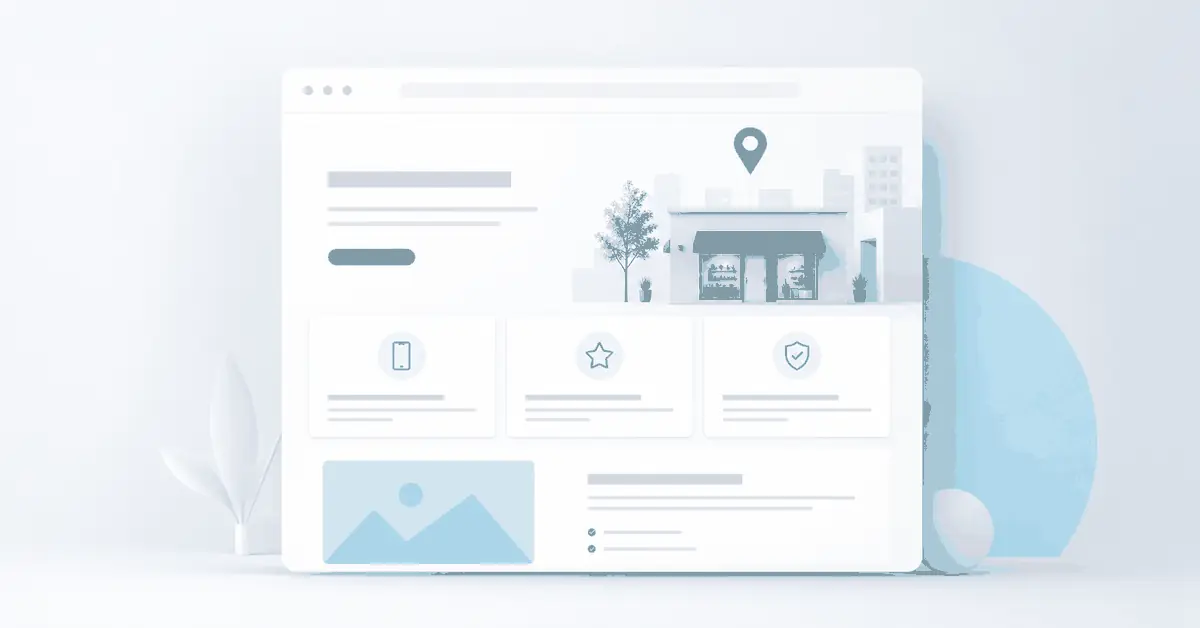

Start with the customer question
A clear service page begins with the question the customer is already asking. What do you do for someone like me, and how can it help my problem right now? If the page does not answer that quickly, many people will leave.
The page should not assume the visitor knows your process or your industry terms. It should meet them where they are and guide them forward in plain language.
That is why clear service pages perform so well. They make the visitor feel understood right away.
One page per main service
When several different services are crammed into one generic page, everything gets weaker. A page dedicated to website design can explain that service far better than a mixed page trying to cover computers, Wi-Fi, email, and SEO all at once.
Separate pages make the site easier to understand and easier to navigate. They also help local search because each page can focus on a real topic instead of a vague category.
Clarity improves both the customer experience and the structure of the website.
Explain what the service includes
Customers often hesitate because they are not sure what a service actually means. A strong page should explain what is included, what problem it solves, and what kind of result the customer can expect.
This does not need to be long or technical. It just needs to remove the guesswork that keeps people from contacting you.
When the offer feels concrete, the next step feels safer.
Say who it is for
Not every service is for every person. Clear pages help by describing who the service is a fit for. That may be a local business owner, a homeowner with a slow computer, or a customer trying to recover data from a failing drive.
This kind of wording helps the right person identify quickly with the page. It also helps the wrong fit realize they may need something else, which saves time for everyone.
A page becomes stronger when the reader can say, this sounds like me.
Show the service area
Local customers need to know where you work. Service pages should make the coverage area visible without burying it in fine print. A simple note about the cities or region can answer a key question early.
If the business serves multiple nearby cities, the page can mention that while also linking to more detailed local pages where needed.
That balance helps the customer feel informed without making the page feel stuffed.
Add pricing guidance when possible
People do not always need an exact price before they contact you, but many do want a sense of the range. Even simple guidance can reduce hesitation and improve lead quality.
If you can explain whether a service usually starts at a certain level or varies by complexity, customers come in better prepared. That creates better conversations and fewer surprises.
Pricing clarity is another form of trust.
Use photos and proof
Photos, examples, and reviews help service pages feel more believable. People want signs that the business has actually done this work and understands the kind of problem they are reading about.
The proof should match the service. A website page can show design examples or clean interface visuals. A tech support page can show repair or support context. Relevance matters more than quantity.
Good proof supports the page without turning it into clutter.
Link to related help
A service page should help a visitor continue exploring in a useful way. Someone reading about SEO may also want website design help. Someone reading about data recovery may also want backup help.
Related links create a better path through the site when they are chosen carefully. They show the customer that the business understands the bigger picture around the problem.
That added context can increase trust and keep people engaged longer.
Answer objections
Many visitors arrive with quiet doubts. Will this be too expensive? Is this company really local? Do they work on my kind of issue? A strong service page answers those concerns before they block action.
This can be done through FAQs, short clarifying sections, or simple wording that removes uncertainty. The goal is not to sound defensive. It is to make the page more helpful.
When objections are handled well, the page feels calmer and more trustworthy.
Make the next step obvious
A service page should end with a clear next step. Whether it is a form, a phone number, or a contact button, the customer should never have to wonder what to do next.
Good pages guide action naturally because the content and the call to action work together. By the time the customer reaches the bottom, contacting you should feel like the logical next move.
That is how a service page turns information into leads.
Keep pages updated
Service pages should grow with the business. If you improve your offer, adjust your pricing, expand a service area, or change your process, the page should reflect that reality.
Outdated pages can create confusion or make the business feel less active. Small regular updates keep the page trustworthy and easier to market.
Accuracy is part of clarity.
Clear pages strengthen every other channel
A clear service page does more than help one visitor. It supports your Google Business Profile, your ads, your local SEO, your referrals, and your social links because every channel needs a strong page to send people to.
That means service page quality affects the whole web around the business. When these pages are clear, everything else performs better too.
This is why local business websites need clear service pages: they help people understand, trust, and contact the business more easily.
Written by Dragline Data LLC, Edgewater, Florida.