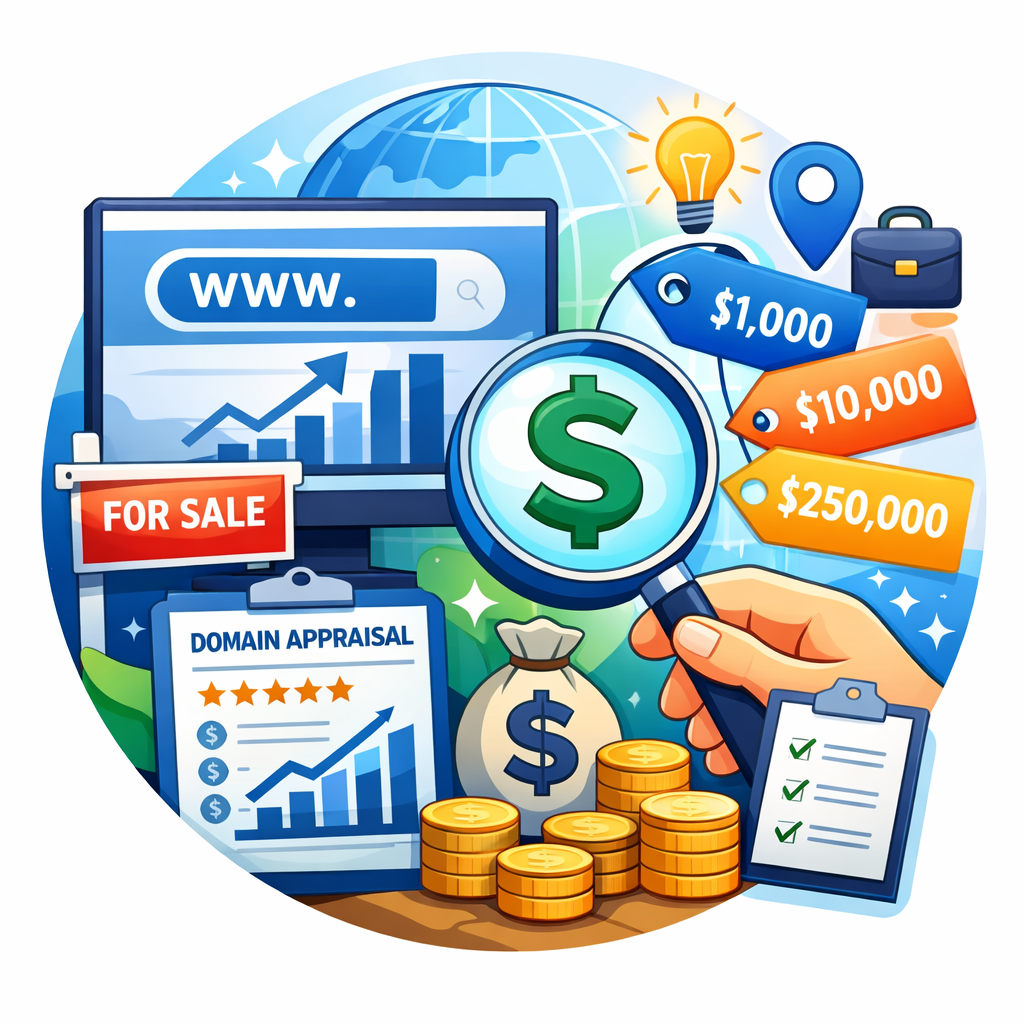
A lot of domain owners eventually ask the same question: how much is my domain worth? It is a fair question, and it comes up for all kinds of reasons. Maybe you registered a name years ago and never used it. Maybe you bought it because it sounded strong, local, brandable, or tied to a growing industry. Or maybe you are just trying to figure out whether you are sitting on something valuable or something that is better to let go.
The truth is, domain value is not random, but it is also not automatic. Not every domain has real resale demand, and not every owner sees the value of a good one right away. Some names are easy to replace. Others are much harder to forget, harder to duplicate, and more attractive to businesses looking for the right online identity.
That is one of the reasons Dragline Data expanded into Domain Sales. It created a place where domain owners, business builders, and buyers can better understand what makes a domain valuable and explore names that may fit real projects.
Why people underestimate domain value
Many domain owners assume a name is only worth something if it is a rare one-word .com or a name that sounds obviously expensive. That is not always true. A domain does not have to be famous to have value. In many cases, a name becomes valuable because it is clean, easy to remember, relevant to a business category, or useful in a market where strong names are already hard to find.
Businesses do not just want any domain. They want domains that feel credible, make sense when spoken out loud, look trustworthy, and help customers remember who they are. That is where a lot of domain value really begins.
What makes a domain name valuable?
Domain value usually comes from a combination of branding, clarity, and demand. There is no single rule that determines worth, but there are several factors that matter again and again.
1. The name is short and memorable
Shorter domains are usually easier to type, easier to say, and easier to remember. The longer and more awkward a name becomes, the harder it usually is to sell. A clean name with fewer characters often feels stronger and more professional from the start.
2. It is easy to spell and understand
If someone hears the domain once and can type it correctly without guessing, that is a major advantage. Good domains reduce confusion. Weak domains create it. Misspellings, strange word combinations, or names that can be interpreted several different ways usually make a domain harder to use and harder to sell.
3. It matches a real business or service
Domains connected to actual industries, services, or products often have stronger resale potential than names with no clear use. A name that could realistically support a business, local service brand, software tool, or digital product will usually have more demand than a domain with no obvious commercial direction.
4. It has branding potential
Some domains are valuable because they are category-driven. Others are valuable because they sound like a company already. They feel clean, usable, and memorable. Even if the domain is not built around a popular keyword, a strong brandable name can still carry real value if it feels like something a business would confidently build around.
5. The extension matters
In most cases, .com still carries the strongest recognition and trust. That does not mean other extensions never have value, but a good .com typically starts with an advantage because buyers understand it immediately. For many businesses, the .com version still feels like the most natural and most established choice.
Quick Tip: A domain does not need to be flashy to be valuable. Simple, clear, business-friendly names often have more real-world value than creative names that are difficult to spell or explain.
How domain appraisal really works
One of the biggest mistakes people make is expecting domain appraisal to produce a perfect final number. In reality, a domain appraisal is better understood as an estimate. It can help point you in the right direction, but it is not the same thing as an actual sale.
Appraisal tools and marketplaces typically look at signals such as length, keywords, comparable sales, extension, demand, and overall marketability. That can be helpful, but it still does not replace real buyer interest. A domain is ultimately worth what a serious buyer is willing to pay for it in the right moment.
That is why domain valuation works best when you combine logic with context. You look at what the name is, who might want it, how easily it could be marketed, and whether it solves a branding problem for a real buyer.
How much can a domain sell for?
Domain sales can vary widely. Some sell for very small amounts. Some sell for a few hundred dollars. Better names can sell for thousands. Premium names can go much higher. The gap between one sale and another can be enormous because not all domains are competing in the same class.
A basic domain with limited use may only attract small offers. A clean, brandable, commercially useful domain may justify much stronger pricing. And a rare or category-defining name may be in a completely different tier altogether.
That is why the real goal is not just asking whether a domain is worth something. The better question is whether it is worth something to the right type of buyer.
Where should you sell a domain?
Domains are commonly sold through marketplaces, direct outreach, auctions, or private listings. The best approach depends on the quality of the name and how actively you want to market it.
In many cases, sellers hurt themselves by creating weak listings, poor descriptions, or pricing that does not match the quality of the name. A good domain still needs to be presented clearly. Buyers want to understand what they are looking at, why the name matters, and how they can take action if they are interested.
That is part of the purpose behind Dragline Data Domain Sales. Buyers should be able to browse domain names that feel understandable, useful, and professionally presented instead of buried under vague listings and clutter.
Should you sell now or hold your domain?
This depends on the name, the market, and your own goals. Some names are better to sell once interest is there. Others may be worth holding longer if they are tied to growing business categories, strong local markets, or modern digital trends.
If the domain is weak, hard to spell, or difficult to explain, waiting may not improve much. But if the name is clean, brandable, and tied to a category where businesses are actively forming, growing, or rebranding, it may deserve a much closer look before you let it go too cheaply.
Why good domains matter to businesses
A strong domain can help a business look more serious from the start. It can improve memorability, strengthen trust, and make the brand easier to share. Even before a customer sees the website itself, the domain name creates an impression.
That is why businesses often care so much about getting the right one. The right domain can save time, support branding, and make a company easier to position in a crowded market. The wrong one can create friction immediately.
Why Dragline Data entered domain sales
Dragline Data has always been tied to technology, websites, digital infrastructure, and practical online problem solving. Domain names fit naturally into that world because they are the foundation of nearly every online project.
Before the logo, before the pages, before the full website build, the domain usually comes first. It is the address, the name, and often the first signal of whether a brand feels strong or forgettable. That is why services expanded to include domain listings and domain-focused content.
The goal is to help connect domain owners, startup founders, businesses, and brand builders with names that can actually support their next move online.
Final thoughts
If you have ever wondered whether your domain name might be worth something, you are asking the right question. Not every domain has strong resale value, but many owners underestimate names that are short, clear, brandable, useful, and hard to replace.
The key is not guessing blindly. It is understanding what makes a domain attractive, what kind of buyer it could fit, and whether the name has real business use. Once you start looking at domains that way, value becomes much easier to understand.
If you want to explore domains for sale or learn more about how this side of Dragline Data is growing, visit Dragline Data Domain Sales. The right domain can help launch a business, strengthen a brand, or create an opportunity that was not obvious at first glance.
Helpful service links if your domain is part of a bigger project
Helpful industry references